What is a Doula?
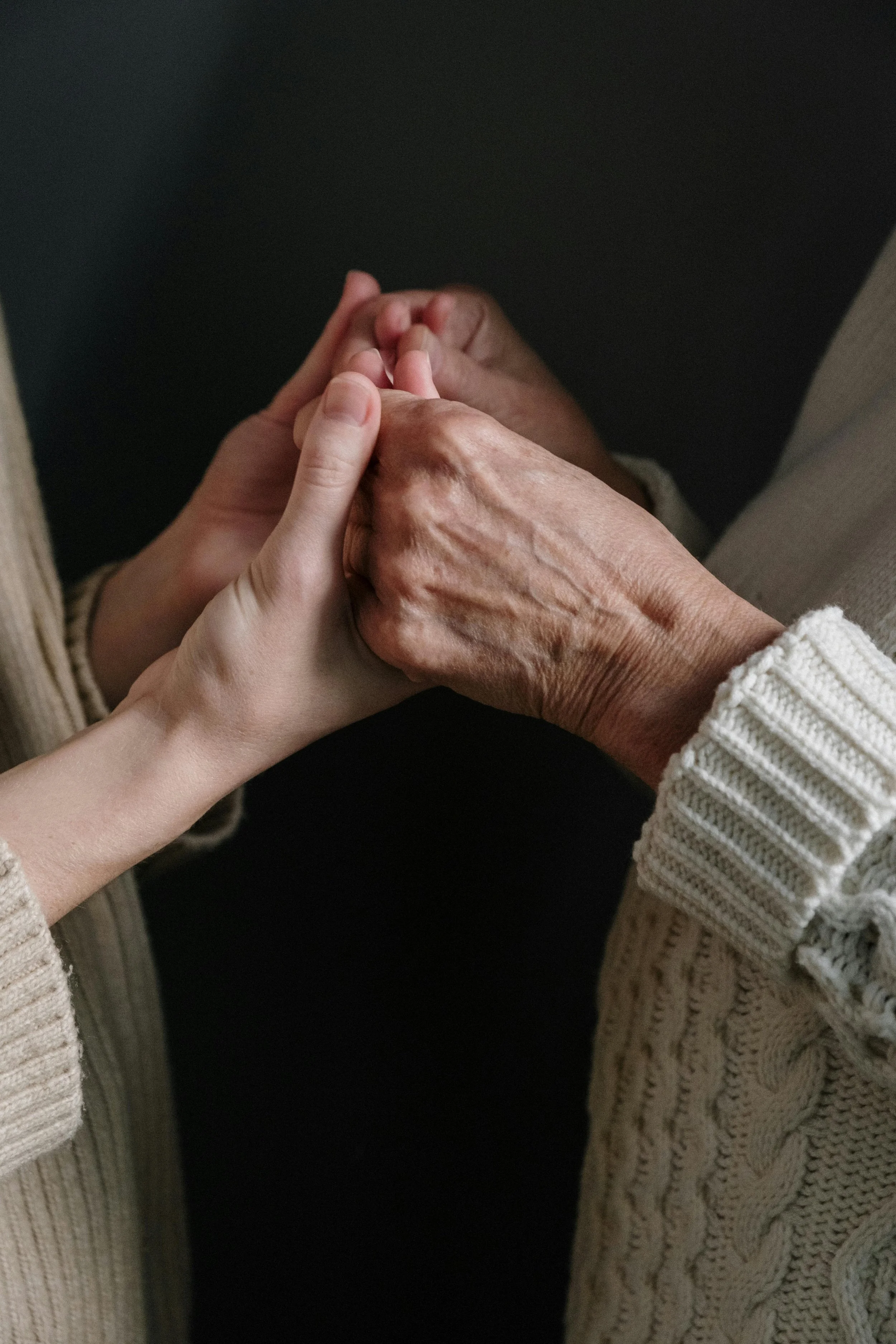
Steady presence and clear guidance when it matters most.
I support individuals and families facing serious illness, caregiving, medical uncertainty, and the-end-of life across home, hospital, hospice, and virtual settings. Whether or not your diagnosis is terminal, I can help you navigate disclosure to loved ones, prepare for medical appointments, advocate for your needs, and clarify your values and care goals. I provide services using a sliding scale model.
To learn more about end of life doulas and our scope of practice, you can visit Compassion & Choices FAQ Guide and/or National End of Life Doula Alliance’s Scope of Practice Guide.
Feeling overwhelmed or unsure where to begin? I offer a free 15-minute consultation — an opportunity to talk through where you are, what you're facing, and how I might be able to support you.
Credentials
Palliative Care Doula Program, Icahn School of Medicine at Mount Sinai
Inclusive Death Care Training, International End of Life Doula Association (INELDA)
Cancer Doula & Patient Advocate Training, International Doula Life Movement Institute
Tesimonials
Hannah supported my mom and family over the course of several months, providing invaluable support as we navigated the progression of her illness.
She helped my mom identify and articulate her goals of care, provided companionship and a thoughtful sounding board as she faced medical uncertainty, and served as an important complement to her medical team.
— Em
Hannah is an incredibly caring and professional end-of-life doula. She meets patients where they are and creates inclusive spaces that honor people across a range of identities, experiences, and beliefs.
Hannah has a special ability to discuss sensitive and difficult topics with both compassion and expertise. She makes difficult conversation about end-of-life care, palliative care, and medicine accessible while remaining attentive to differences in values, identities, and lived experiences.
— Sarah Miller, Hospice Chaplain
Hannah creates thoughtful, inclusive spaces for conversations about serious illness and end-of-life care that can otherwise feel difficult.
I saw firsthand her ability to combine a deeply human-centered approach with current knowledge of best practices in end-of-life and palliative care.
Hannah has a particular talent for making complex and nuanced information accessible while honoring the many identities, cultures, and perspectives people bring to these conversations and transition periods.
— David Miller